

Parkinson’s Exercise & Nutrition.
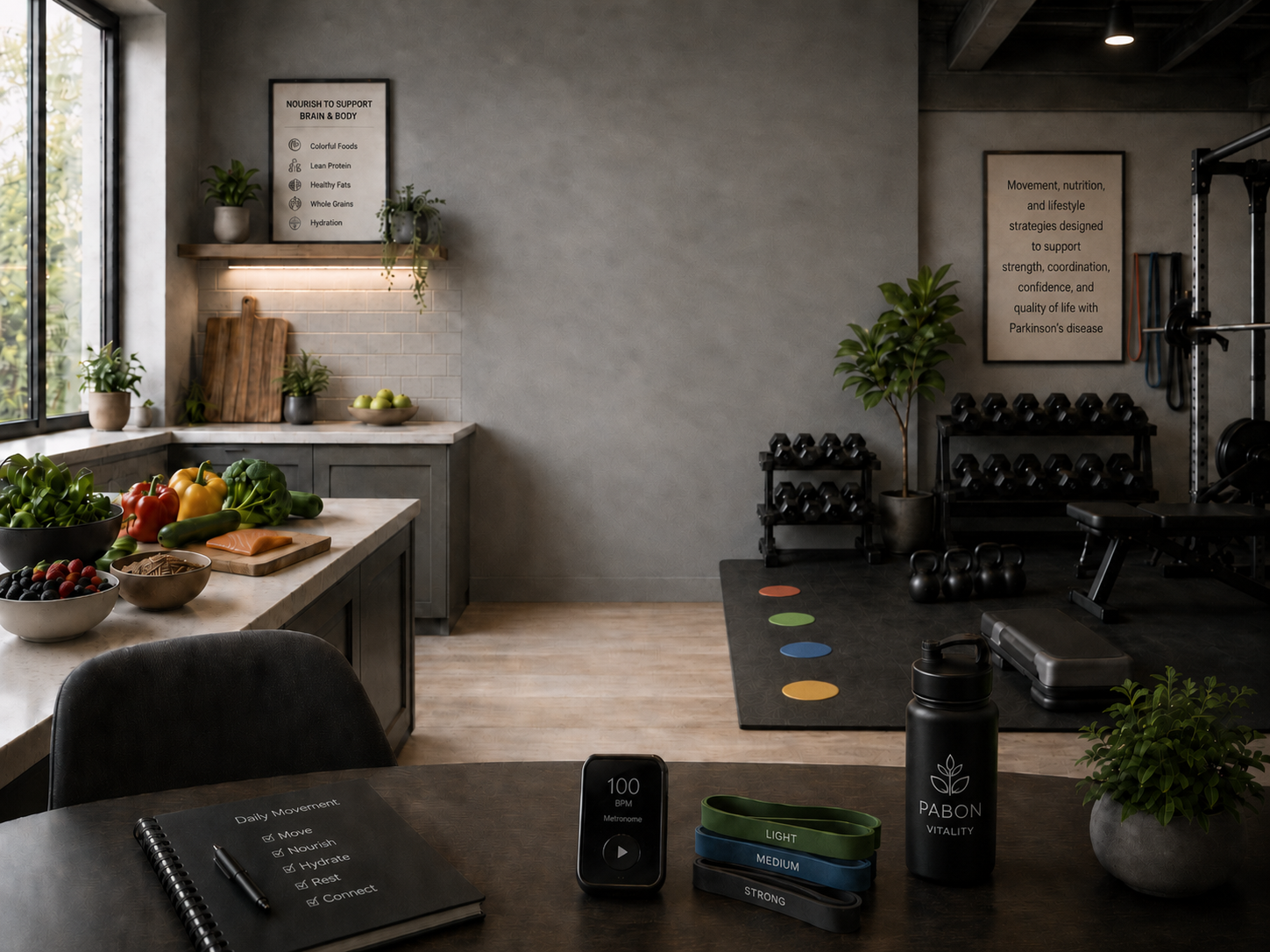
Parkinson’s affects more than movement. It can impact energy, digestion, sleep, cognition, confidence, motivation, and independence. At Pabon Vitality, we take a whole-person approach by combining structured exercise, functional nutrition, and practical lifestyle strategies to help you move better and live stronger.
A Different Approach to Parkinson’s Care
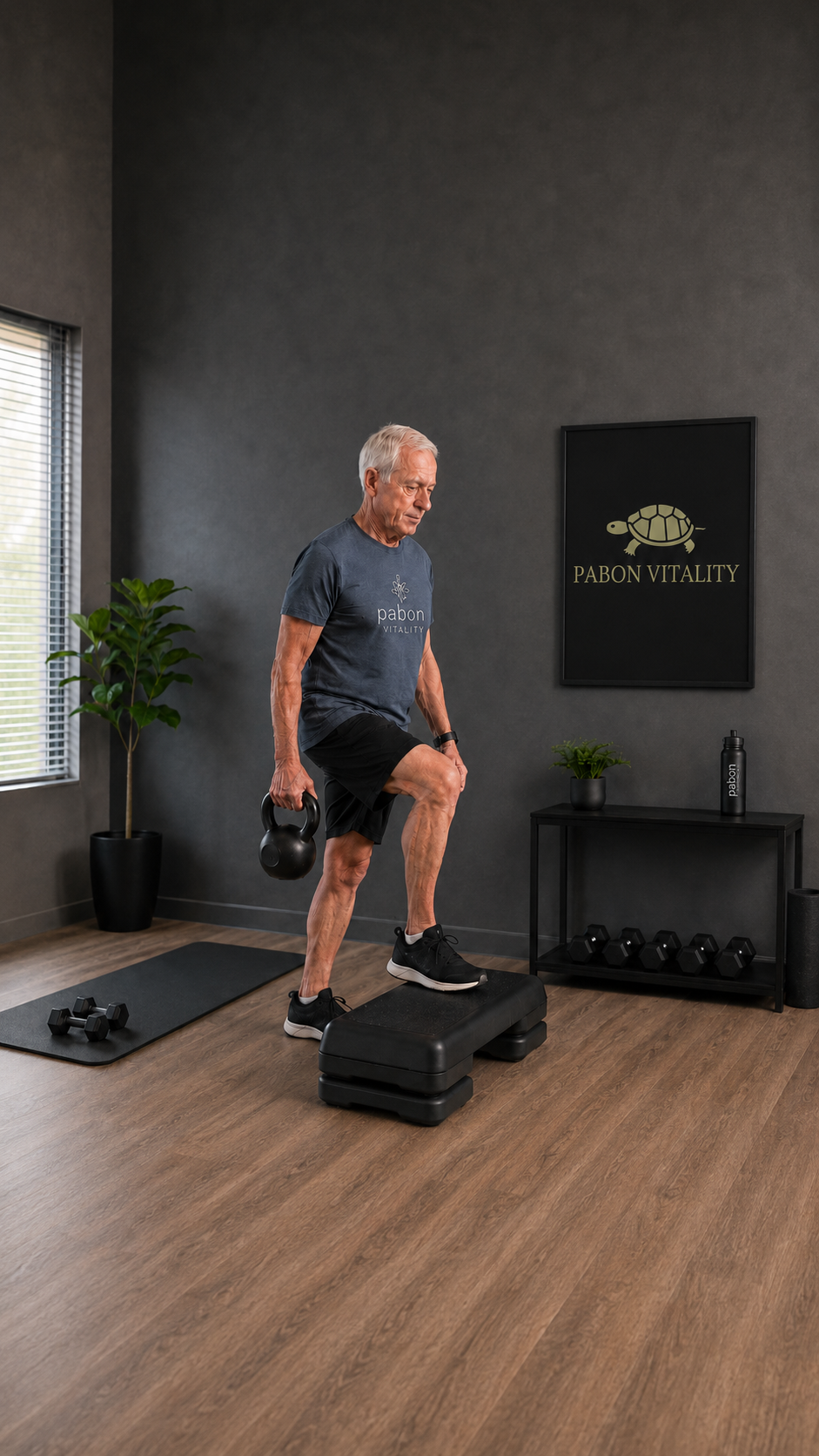
Many Parkinson’s programs focus only on movement. Movement is essential, but Parkinson’s is complex. It affects the nervous system, metabolism, muscles, digestion, sleep, mood, and daily function.
That’s why our approach goes deeper.
We use exercise, nutrition, and rhythm-based movement strategies to help improve the areas that matter most:
Strength and muscle preservation
Balance and coordination
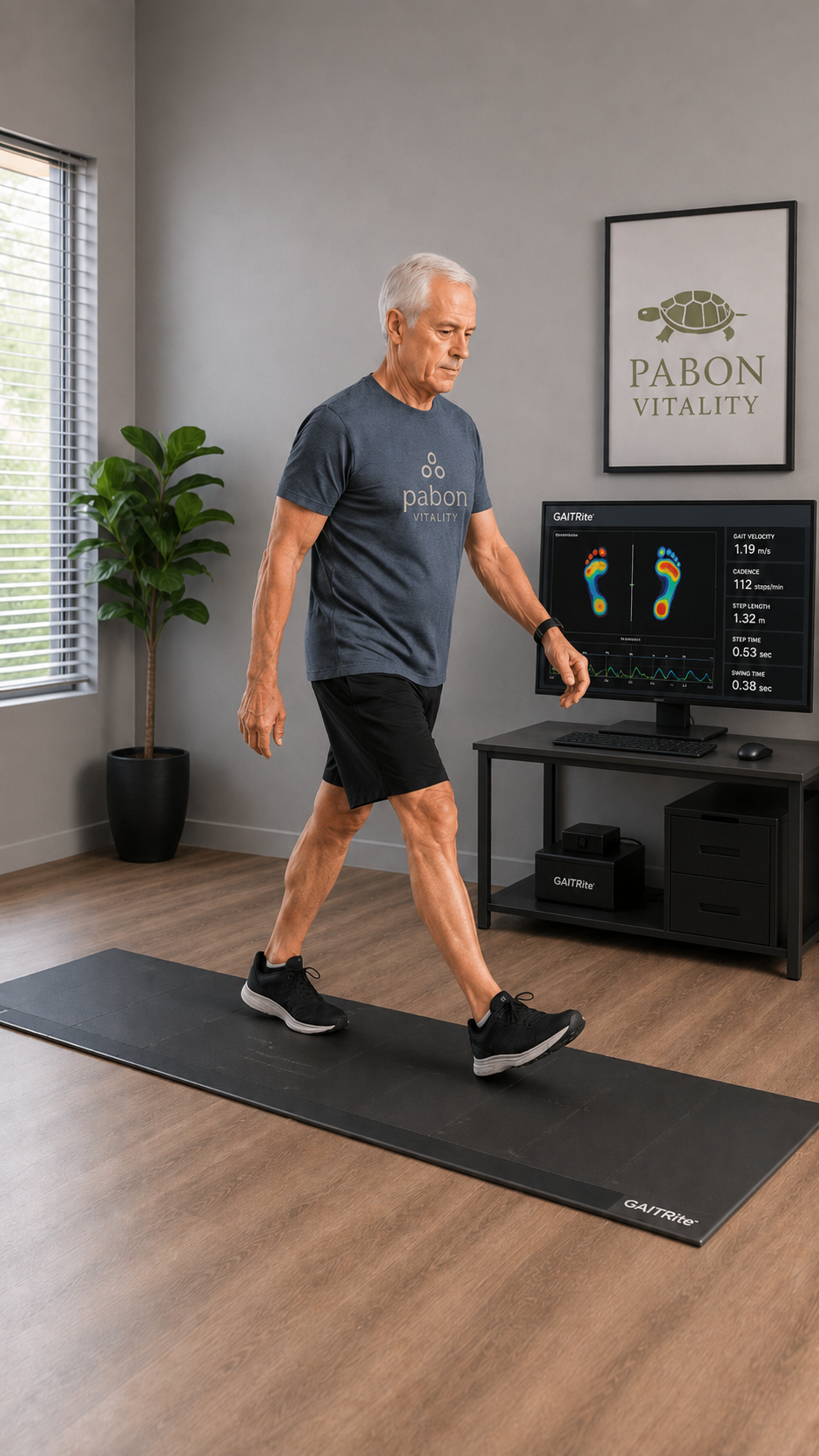
Gait, posture, and movement confidence
Protein timing around L-Dopa
Cognitive engagement and motor control
Energy and metabolic health
Long-term resilience
Designed for Individuals with Parkinson’s Who Want to Stay Active, Capable, and Independent.
“Whether you are newly diagnosed or have been living with Parkinson’s for years, the program is adjusted to meet you where you are.” -Founder
This program may be a good fit if you or a loved one is dealing with:
Slower walking or shuffling gait
Balance concerns or fear of falling
Muscle weakness or loss of confidence
Stiffness, rigidity, or reduced mobility
Fatigue or low energy
Difficulty staying consistent with exercise
Confusion around nutrition and protein intake
Concerns about medication timing and meals
A desire to stay as independent as possible
Nutrition Programing
$75
Fitness Programing
$100
Complete Package
$150
Support for Families and Caregivers
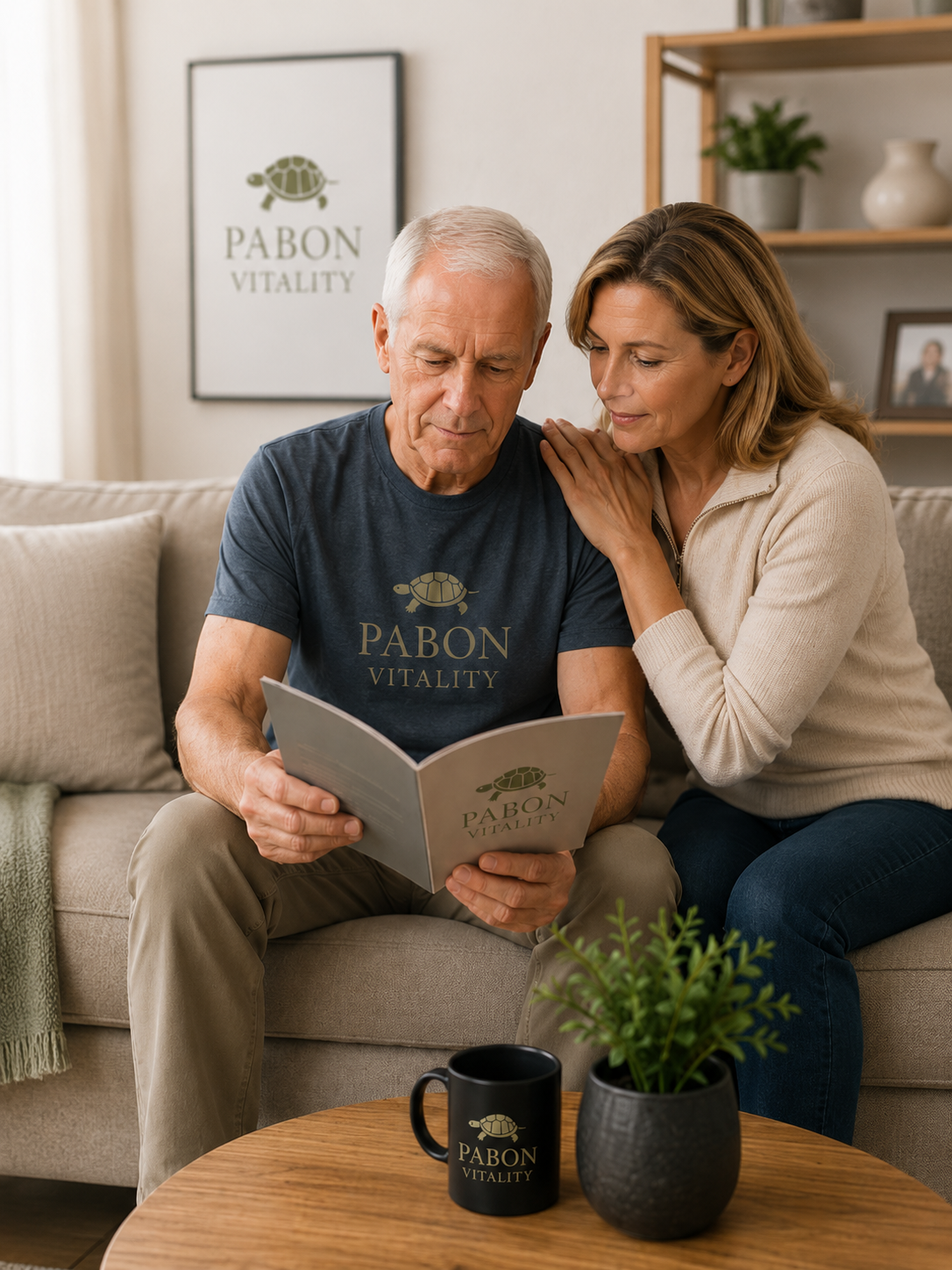
Parkinson’s does not only affect the person diagnosed. It often affects the whole household.
When appropriate, caregivers can be included in the process so they understand:
How to support exercise safely
How to help with consistenc
How to recognize fatigue or overwhelm
How to assist with meal timing
How to encourage without overcorrecting
The goal is to create a supportive environment without making the client feel dependent or discouraged.

Clear Guidance for a Common Parkinson’s Nutrition Challenge
Many individuals with Parkinson’s are told that protein may interfere with L-Dopa absorption. This can create confusion and fear around eating enough protein.
But protein is also essential for maintaining muscle, strength, immune function, and recovery.
At Pabon Vitality, we help you navigate this balance with a personalized approach.
Depending on your needs, we may discuss:
Protein, L-Dopa, and Meal Timing.
When you take L-Dopa
How meals are spaced throughout the day
How protein is distributed
Whether symptoms change around meals
How to preserve muscle while supporting medication effectiveness
How to simplify your schedule so it works in real life
Important note: Nutrition coaching does not replace medical care. Medication changes should always be discussed with your neurologist or prescribing physician.
FAQs
Do I need to be physically fit to start?
1
No. The program is built around your current ability level. We start where you are and progress gradually.
Can exercise cure Parkinson’s?
2
No. This program does not claim to cure Parkinson’s. The goal is to support strength, movement, coordination, confidence, and quality of life.
Is this a replacement for physical therapy?
3
No. Physical therapy and medical care are important. This coaching program can complement your existing care by helping you stay consistent with exercise, nutrition, and lifestyle strategies.
Can you help with protein and L-Dopa timing?
4
Yes. We can help you build a practical nutrition structure around your medication schedule, but medication decisions should always be handled by your physician or neurologist.
Do you work with caregivers?
5
Yes. Caregivers can be included when helpful, especially for support with consistency, safety, and daily routines.
Can this be done online?
6
Yes, depending on the individual’s needs, safety level, and available equipment. Some clients may do well virtually, while others may benefit from in-person support if available.